
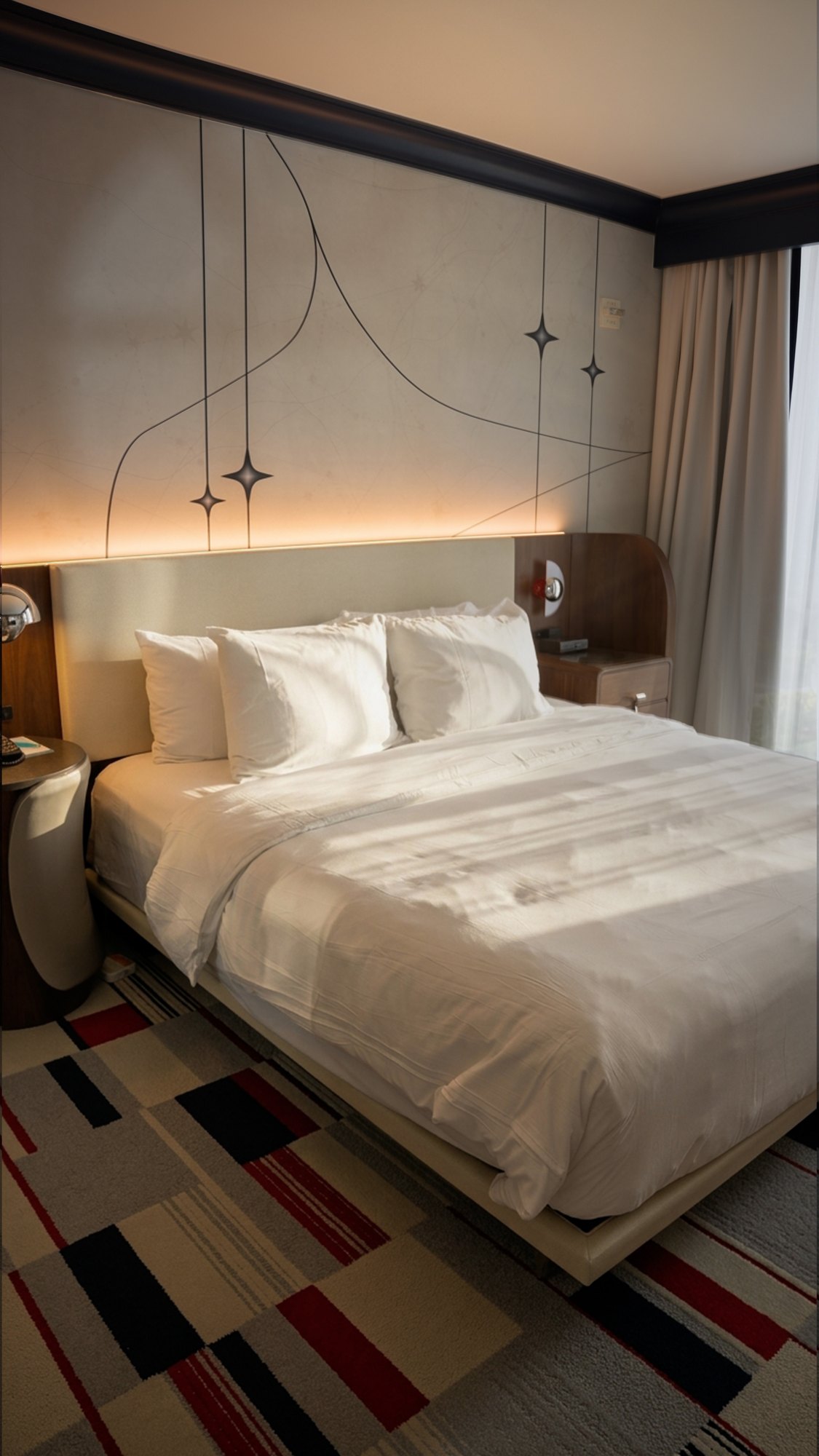
Your booking page shows a bed, a desk and a window with a white sky. The hotel down the block has the same room size, but its photo has morning light on the sheets and someone pulling back the curtain to a view. Same price. Guess which one gets the booking.
If you run a boutique hotel in Manhattan, Brooklyn or Jersey City, the shoot is where that difference is made. This guide is for GMs and owners planning a session with a luxury hotel photographer in NYC: what to shoot, in what order, and the mistakes that quietly cost you bookings.
Start with where the photos will live
Before anyone builds a shot list, write down where the images go. A hotel shoot feeds at least five places, and they don't want the same frame:
- Booking engine and OTAs (Expedia, Booking.com): horizontal, clean, every room type covered.
- Your website hero: wide, calm, room for a headline.
- Instagram feed and Reels: vertical 4:5 and 9:16, people and movement.
- Press kit and travel writers: a short set of hero images that say what the hotel is.
- Sales decks for weddings and events: the ballroom, the terrace, the private dining room.
Most hotels shoot only horizontal and then crop for Instagram. The crop cuts off the bed or the view. Ask for both orientations of the key frames on the day. It takes a few extra minutes per setup.
The luxury hotel photographer NYC shot list: 8 things to cover
Every list online covers rooms, lobby, restaurant and exterior. That's the floor. These are the ones that separate a luxury property from a nice one.
1. Rooms in their best light, not just "clean"
Manhattan rooms are small. The temptation is an ultra-wide lens from the corner so the room looks bigger. It works on a phone screen for about two seconds, then the walls lean and the bed looks twelve feet long. Guests notice when they walk in.
What to do instead:
- Shoot each room type when sun is on the windows, or when the light outside is soft and even.
- One honest wide, then two or three tighter frames: the headboard, the window seat, the bathroom vanity.
- Lamps on, TV off, blackout curtains open, sheers half drawn.
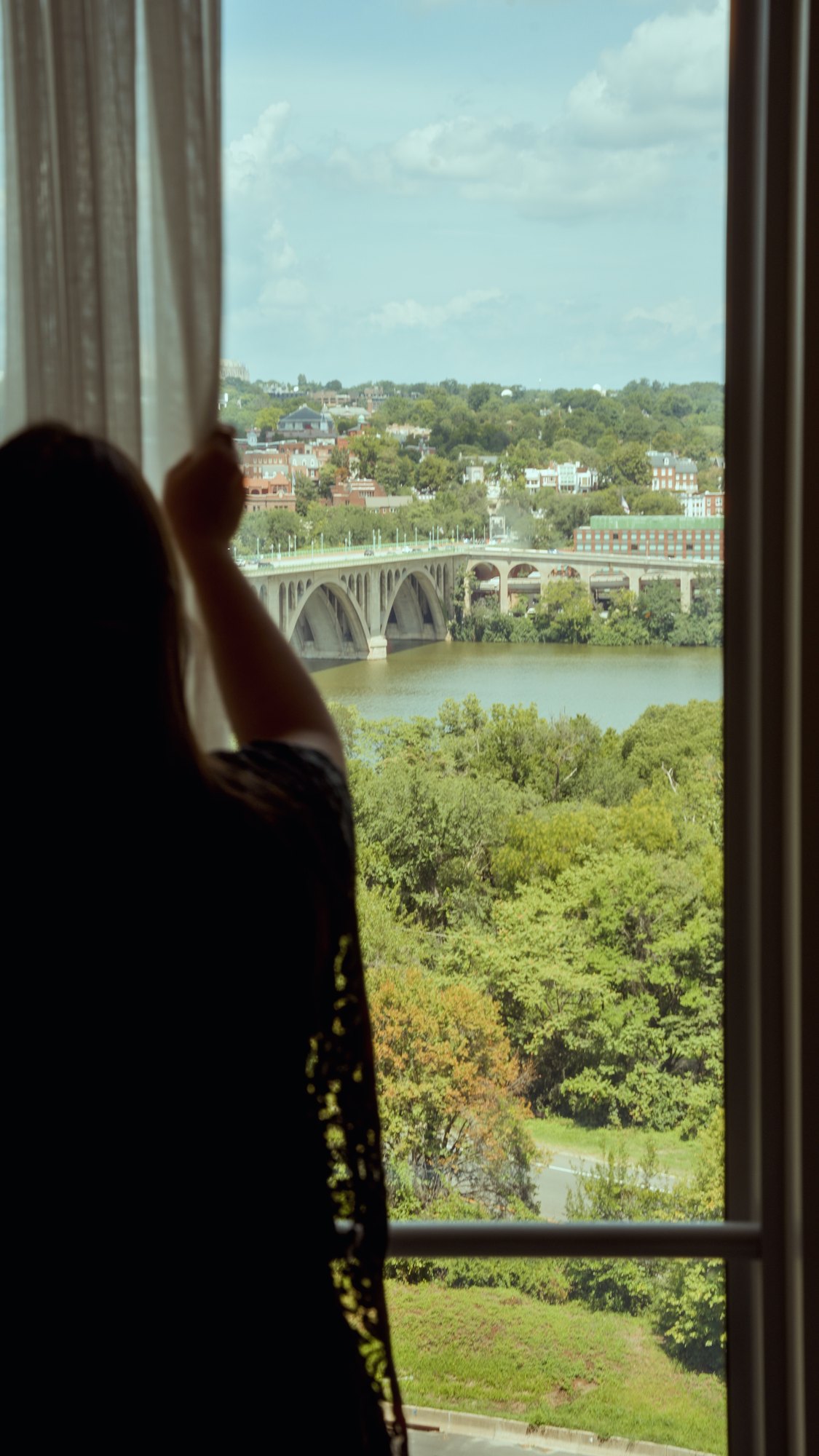
2. The view, with a person in it
If you have a skyline, river or park view, it's your most valuable photo. An empty window frame looks like a stock image. A guest from behind, hand on the curtain, looks like a stay. No face needed, which also keeps releases simple.
3. The lobby before 8 a.m.
Midtown and SoHo lobbies are busy from check-out onward. Book the lobby first thing, when it's empty and the doormen haven't started the rush. Then shoot it again later with a few people moving through, so it doesn't feel like a museum.
4. People, moving through the space
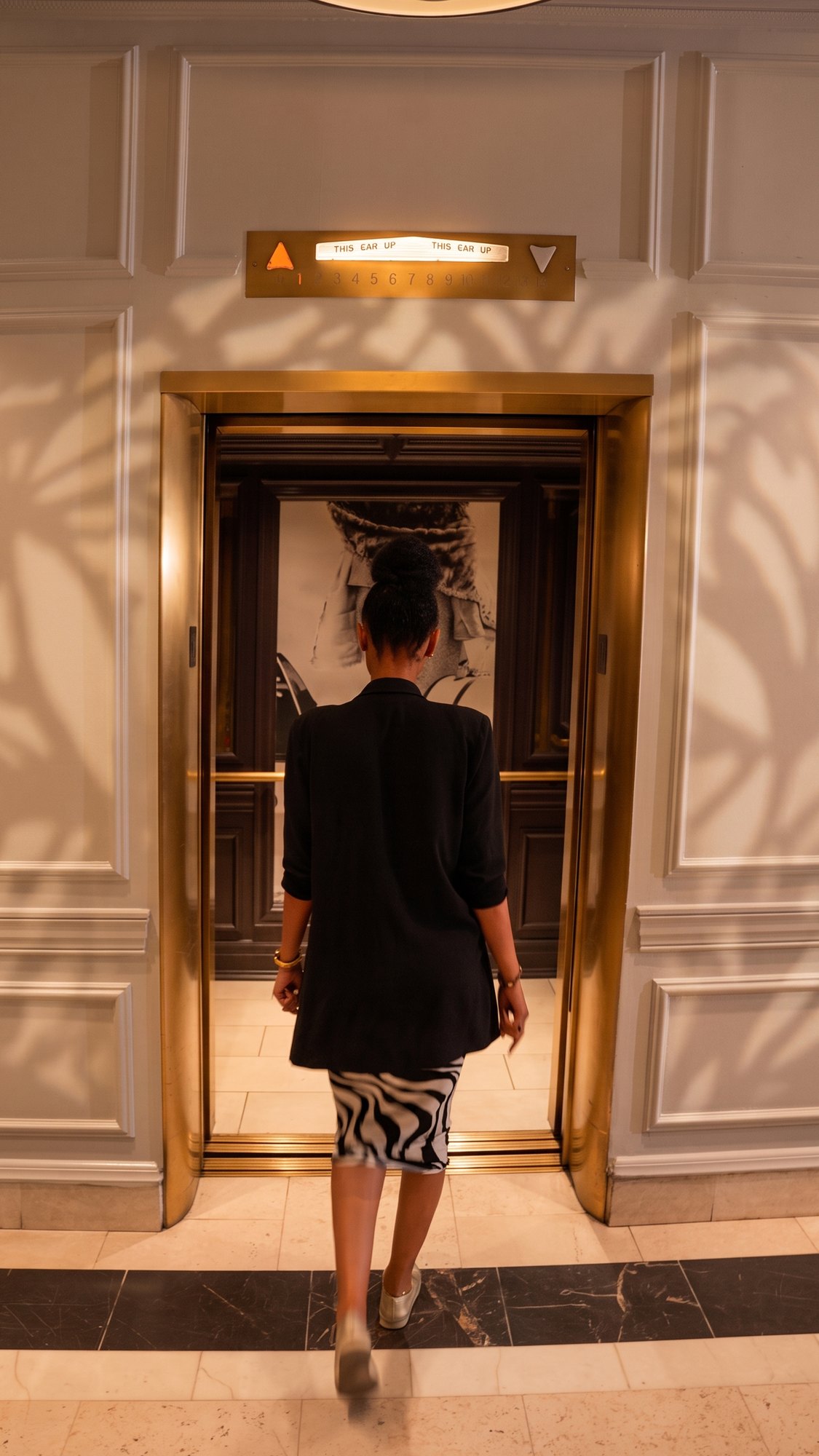
Luxury is mostly in the small moments: walking to the elevator, the bartender's hand, a robe on a hook. Brands that look expensive online rarely show empty spaces only.
Plan two or three models (staff or friends of the hotel are fine) and get signed releases on the day. Back-of-head, hands, and walking-away shots read as real and avoid the "posed couple laughing at a salad" look.
5. F&B as its own block, not an afterthought
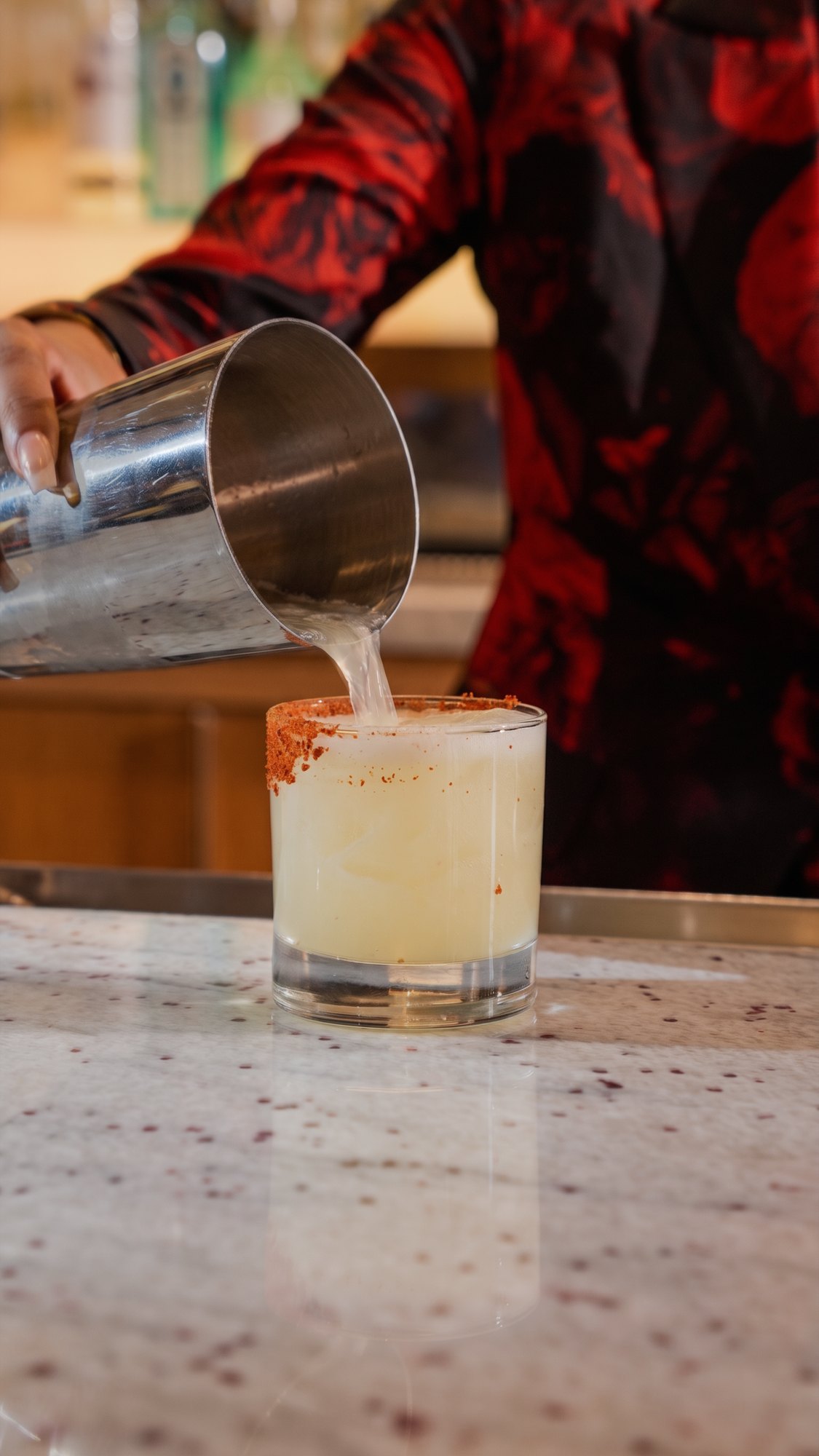
Your restaurant and bar are probably the only part of the hotel locals will ever see. They're also what brings people into your Instagram. Give F&B its own block with the chef present, real dishes at the right temperature, and a bartender actually making the drink.
Most hotels get this wrong by over-styling. The cold room-service tray on a perfectly made bed is a cliché. A real pour, steam, a hand reaching in looks better and takes less time.
6. Details that cost money
Brass hardware, a custom key card, the stitching on the headboard, the stone in the bathroom. These are the frames that prove "luxury" without saying the word. Budget 30 to 45 minutes just for details. They also become your Stories for months.
7. The exterior, at the right hour
On a narrow street the building across the way may shade your facade most of the day. Check where the sun hits the entrance before you book. We wrote a full guide on this for houses that applies to hotels too: best time to photograph a house.
8. Vertical video in the same visit
If the crew is already there with lights, film it. Ten to fifteen short clips (curtain open, door swing, pour, elevator, view) give you a month of Reels and Stories. Shooting video on a separate day usually means paying for setup twice.
Quick checklist for the shoot day
- One on-site contact who can open any room and talk to housekeeping and engineering
- Rooms serviced and held from guests until shot
- Lobby booked before 8 a.m.
- Chef and bartender scheduled for the F&B block
- 2–3 people with signed releases
- Both horizontal and vertical of every hero frame
- Usage rights agreed in writing before the shoot (web, OTA, social, print, paid ads)
- Video clips list printed and taped to a door
Three common mistakes
Shooting every room type the same way. A suite and a standard king shouldn't look identical in your gallery. Find the one thing each room has that the others don't.
Editing too hard. Over-brightened, HDR-heavy images make guests wonder what's being hidden. Keep the color close to how the room actually feels in person.
Not getting full usage rights. If your photographer or models don't sign off on ads and OTA use, you'll find out when you try to run a campaign. Sort it out before the shoot, not after.
How long does a hotel shoot take?
For a boutique property with a handful of room types, a restaurant and a bar, plan at least one full day, often two. Light moves, rooms turn over, and the kitchen runs on its own schedule. A rushed one-day shoot shows in the results.
For a smaller update (a new suite, a new menu, seasonal content), a half day is usually enough.
How we do it at Turtle House
We've shot hotels, restaurants and hospitality spaces in the DC area and along the East Coast, and we work with properties in New York and New Jersey. We plan every hotel shoot around three things: light, people, and where the images will live. Photo and video happen in the same visit, so the property gets booking-engine stills and a month of vertical content from one day of disruption.
You can see some of that work in our portfolio. If you're preparing a property in Manhattan, Brooklyn or Hudson County, our photo shoot checklist covers the prep side for any space.
FAQ
What should a luxury hotel photo shoot include? Every room type, the lobby, F&B (restaurant and bar), exterior, amenities like spa or rooftop, close-up details, and lifestyle shots with people. Add short vertical video clips for Instagram in the same visit.
When is the best time to photograph a hotel in NYC? Lobby and public spaces early morning before guests are up. Rooms when soft daylight hits the windows. Exterior when the sun is on the facade, or at blue hour with all the lights on.
Do hotel photos need people in them? Not all of them, but a luxury hotel gallery with zero people feels empty. Use a few lifestyle frames with hands, backs, and walking shots, and get signed releases from everyone in frame.